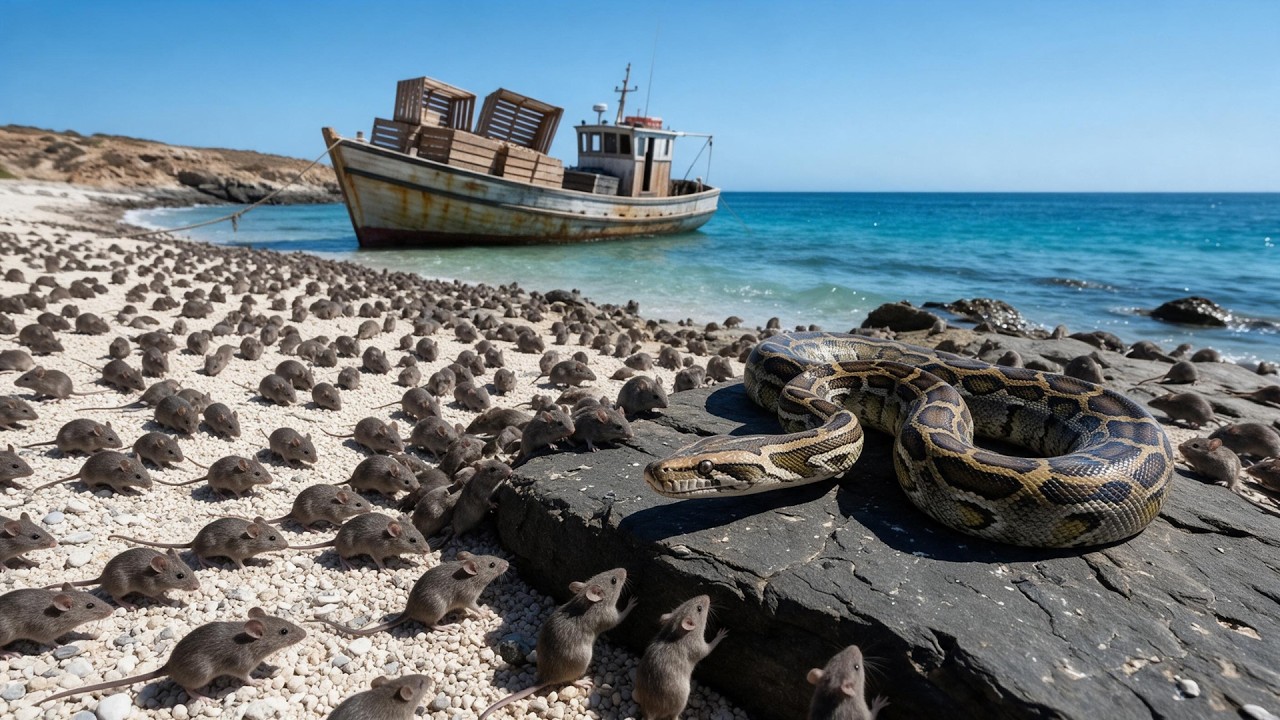
In 1949, the U.S. military air-dropped thousands of mice onto Guam, a move that shockingly backfired and nearly destroyed the island’s ecosystem.
The brown tree snake, an invasive species native to the southwestern Pacific, arrived on the island of Guam in the late 1940s or early 1950s, most likely hidden in military cargo moving through the region after World War II. The snake, which can grow to three or four feet on average and occasionally reaches ten feet, found an island with no natural predators and prey that had never learned to avoid it. Over the following decades, its population grew to an estimated two million, and it spread across the entire island.
The ecological impact was severe. Guam had twelve native forest bird species, and the snake eliminated most of them. Only three still survive in the wild on the island. The Guam flycatcher is now extinct worldwide. The Guam rail, a flightless bird, was down to 21 individuals in the mid-1980s when biologists took them into captivity. The Guam kingfisher, known locally as the sihek, disappeared from the wild entirely by 1988.
The loss of birds had wider consequences. Ecologist Haldre Rogers and her team compared Guam with nearby islands that still had functioning bird populations. On Guam, 94 to 96 percent of seeds landed directly under their parent trees, limiting forest regeneration. Spider populations, freed from bird predation, were found in numbers up to 40 times higher than on comparable islands.
The snakes also caused frequent power outages by climbing poles and shorting electrical lines. Between 1978 and 1997, they were responsible for more than 1,600 outages, costing an estimated $4.5 million per year in lost productivity and equipment damage.
Wildlife officials tried several approaches. Traps baited with mice were effective only locally. Barriers around cargo yards and airports caught snakes but barely affected the overall population. The most important defense was built around ports and airfields to prevent snakes from leaving the island. The effort is motivated in part by what happened in Hawaii, where inspectors found eight brown tree snakes between 1981 and 2010. A study estimated that an established population in Hawaii could cause between $593 million and $2.14 billion in damage annually.
By the 1990s, researchers concluded that catching or fencing alone could not control the invasion. They began testing poisons and found that acetaminophen, the active ingredient in Tylenol, was effective. About 80 milligrams is enough to kill an adult brown tree snake. Larger animals would need much larger doses to be harmed, making it a relatively targeted option. The Environmental Protection Agency registered acetaminophen for this use in 2003.
The next problem was delivering the poison. Brown tree snakes hunt in trees and will eat dead prey, so researchers used dead mice containing the drug. To place them in the canopy, they attached each mouse to a small device made of two pieces of cardboard and a paper streamer. When dropped from a helicopter, the streamer tangled in branches, leaving the bait where snakes were likely to find it.
Small trials began in 2010. A larger operation in December 2013 dropped about 2,000 baited mice over forest near Andersen Air Force Base. The method attracted public attention, and some animal welfare groups raised concerns about the method’s effects on snakes. Researchers responded that the alternative, a continuing invasion with risks of spread to other islands, was worse.
Data from a 2021 U.S. Geological Survey study showed measurable results. Eleven of 30 radio-tracked snakes died during baiting periods, while none died during untreated stretches. However, smaller snakes died at a much higher rate than larger ones, and the authors concluded that the method would need to be refined or combined with other tools to fully control the population.
The airdrops did not eliminate the snake. They became one tool in an ongoing management program, particularly around critical sites. At Andersen Air Force Base, a 135-acre fenced habitat unit has been treated with baits every 90 days. Over five years, crews dropped about 46,200 baits, and monitoring indicates snakes inside the fence are becoming harder to find.
The approach has been more successful on smaller islands. On Palmyra Atoll, helicopter-delivered poison cleared invasive black rats, which had reached an estimated peak of 30,000 animals and threatened local birds and reptiles. On Pinsón Island in the Galápagos, rat control allowed giant tortoises to hatch in the wild for the first time in over a century.
Guam is too large and populated for complete eradication to be realistic. Instead, the goal is to hold snake numbers down in protected areas. That has created conditions for recovery efforts. The Guam rail, bred in captivity for more than 30 years, now has populations on the nearby island of Rota and on Cocos Island. In 2019, the International Union for Conservation of Nature moved the species from “extinct in the wild” to a less severe category.
The sihek, the kingfisher that vanished from the wild in 1988, has followed a similar path. A captive population had grown to 127 adults across 25 institutions. In August 2024, nine hand-reared sihek were flown from Wichita, Kansas, to Palmyra Atoll, the island cleared of rats more than a decade earlier. By late September, six of them had been released into the wild.
The recovery plan for the sihek includes returning it to Guam once the snake threat is under control. The ongoing baiting program is part of what might make that possible.
Recommended Stories
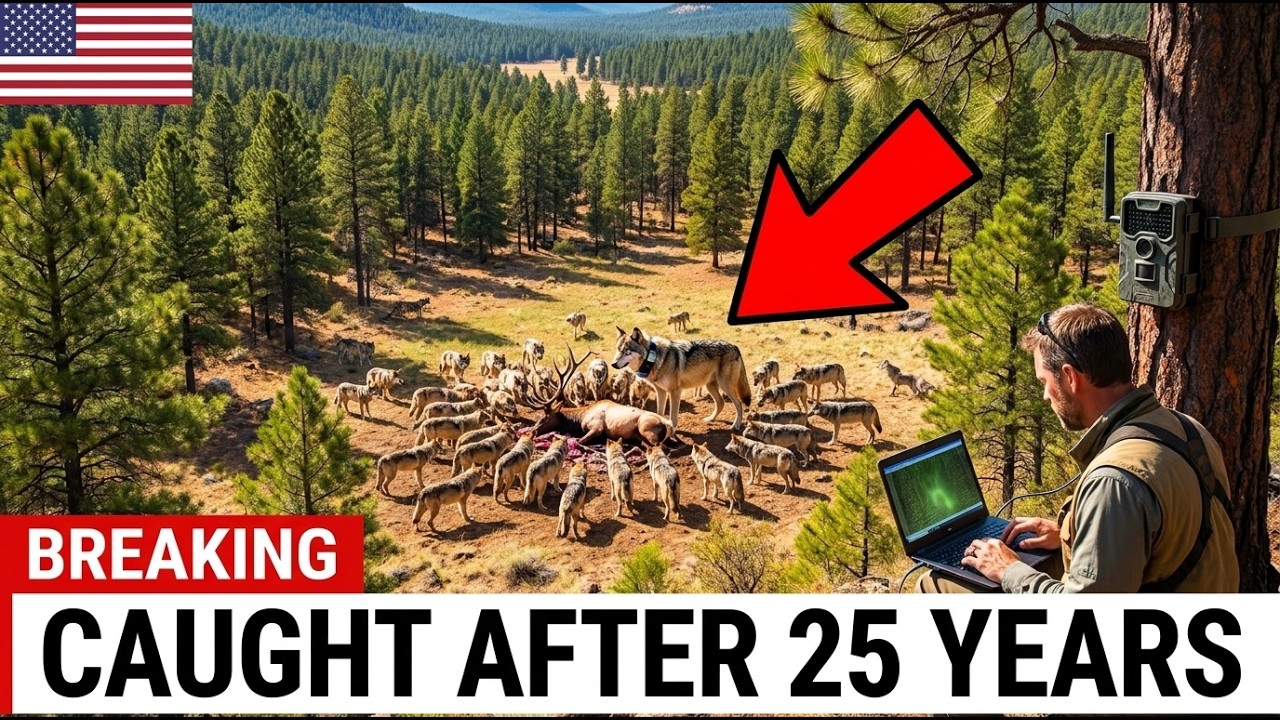
In 2016, Arizona quietly released eleven captive Mexican wolves into the wild—a last-ditch effort to save the species. For decades, these animals were tracked but rarely seen, their comeback shadowed by fierce rancher opposition and deadly conflicts.
In late 2025, the official population count for Mexican gray wolves in the American Southwest reached 319. That number is...
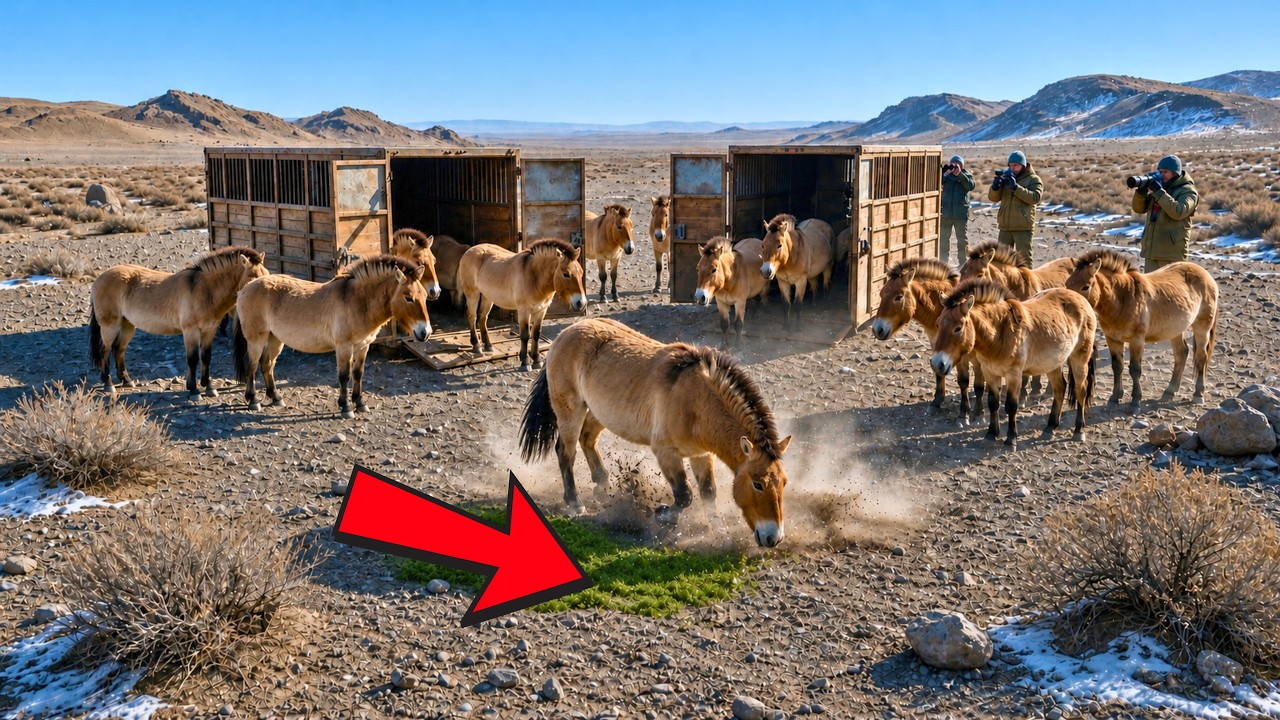
China released 11 horses into a desert with zero grass—and what they did with their hooves stunned researchers. The herd was transported to a barren, arid landscape where survival seemed impossible, with no visible vegetation or water sources.
In December 1986, eleven Przewalski's horses arrived at the edge of the Junggar Basin in northwestern China, transported from zoos...
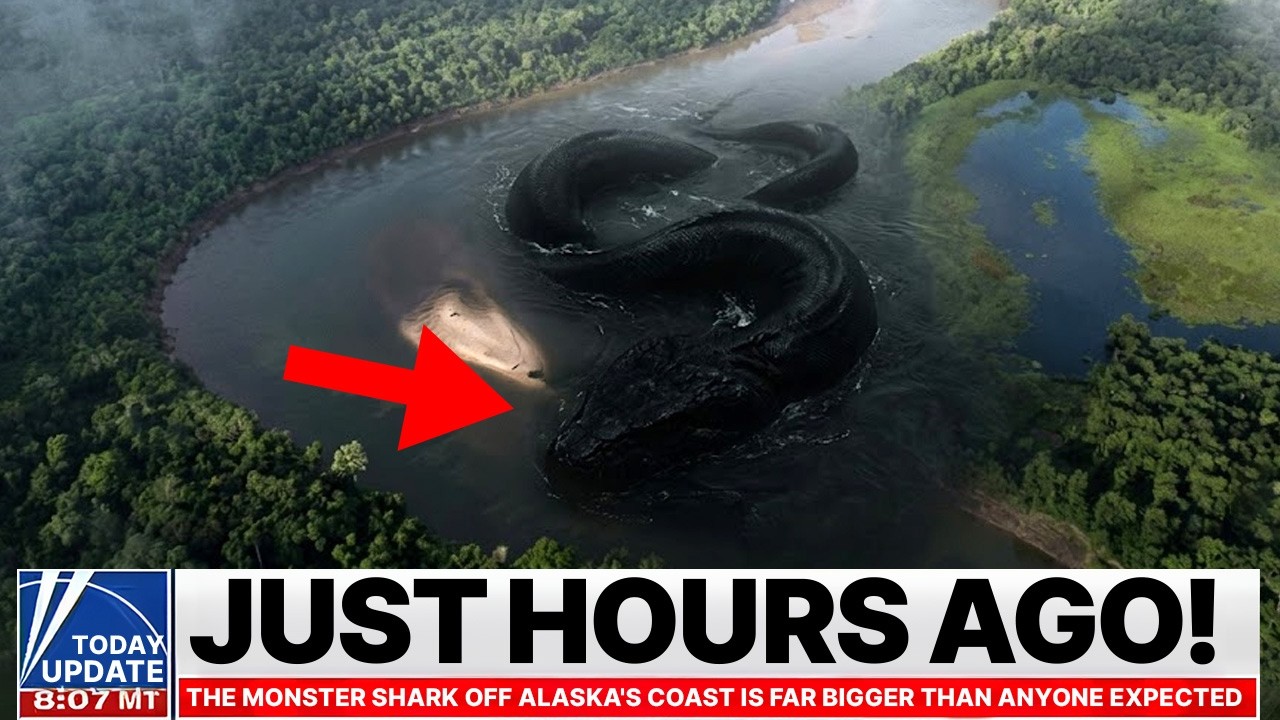
Fishermen off Alaska’s coast spotted something massive prowling the deep water, and initial estimates were quickly shattered. What they believed was a large great white turned out to be drastically bigger, dwarfing their vessel and challenging every assumption about the region’s marine life.
Lake Iliamna is the largest lake in Alaska, covering roughly 1,000 square miles and reaching depths of close to 1,000...