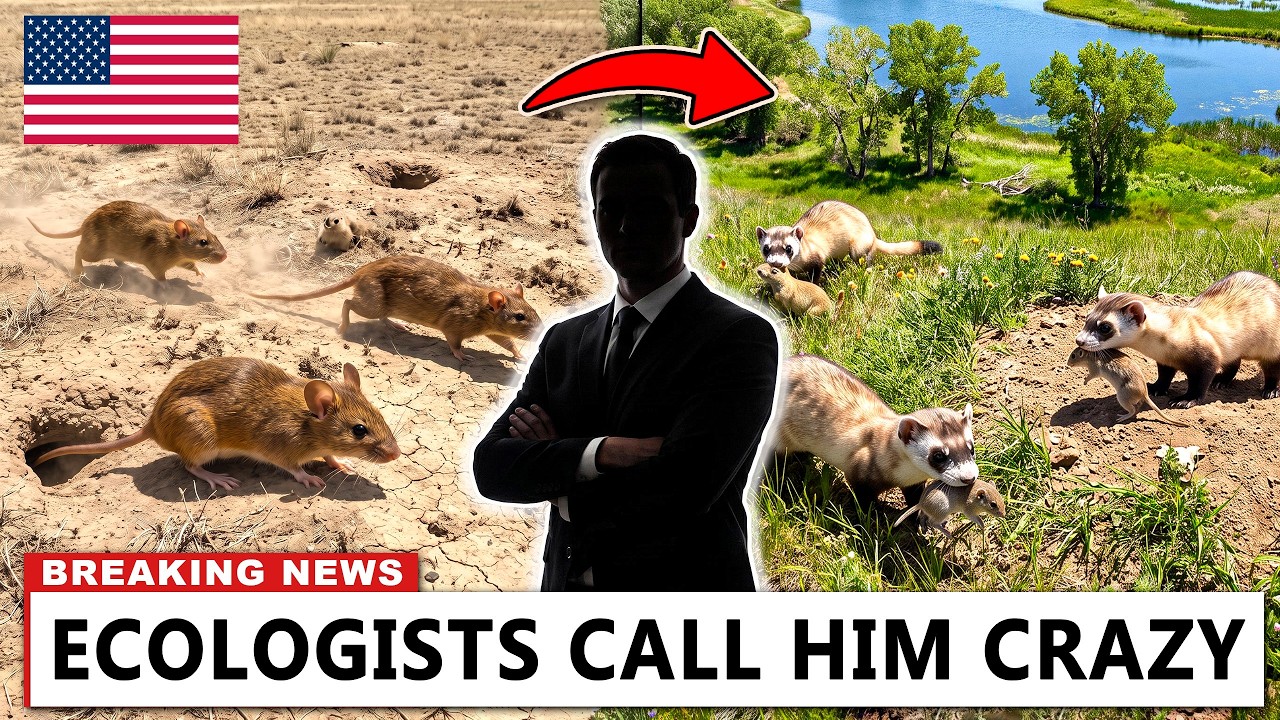
Ted Turner poured millions into New Mexico ranchland to save black-footed ferrets—so-called pests lawmakers once mocked as a waste of money. Critics called him crazy for breeding an animal many believed was doomed to extinction.
In 1997, Ted Turner purchased a ranch in New Mexico that had been used for cattle grazing for decades. Instead of continuing that practice, he began restoring prairie dog populations on the land. Local ranchers considered this decision misguided, and state officials attempted to block the effort. Over time, the approach produced results. Twenty-five years later, a mammal once believed extinct in the region reappeared on the property.
In September 1981, a dog on a ranch near Meeteetse, Wyoming, brought back an unfamiliar animal. Its body was long, with golden fur, black feet, and a dark stripe across its face. The owners took it to a taxidermist, who identified it as a black-footed ferret, a species the U.S. government had classified as extinct. Biologists subsequently searched the surrounding hills and found a population of roughly 130 ferrets living among prairie dog burrows.
The recovery was short-lived. Sylvatic plague, caused by the bacterium Yersinia pestis, spread through the prairie dog population, which the ferrets depended on exclusively for food. By 1985, only 18 ferrets remained. Biologists decided to capture all of them and move them into captivity. Of those 18, seven produced offspring. Every black-footed ferret alive today descends from those seven animals.
The ferret’s survival depends entirely on prairie dogs, which were the target of a century-long federal eradication campaign. Beginning in 1915, the government poisoned, gassed, and shot prairie dogs on a massive scale because ranchers considered them pests. The prairie dog population fell by 98 percent. Today, they occupy roughly two percent of their historical range.
Ted Turner was not a biologist. He founded CNN and built a career in media before turning his attention to land conservation. Over time, he acquired approximately two million acres across several western states. Rather than developing the land, he established the Turner Endangered Species Fund in 1997 with his family and biologist Mike Phillips. The fund’s goal was to reintroduce endangered species to private land, where federal bureaucracy could be avoided. Species included the Mexican wolf, the Aplomado falcon, the Bolson tortoise, the prairie dog, and the black-footed ferret.
Turner’s largest project was Vermejo Park Ranch, a 560,000-acre property on the New Mexico-Colorado border. The land had been overgrazed for decades. Turner allowed prairie dog colonies to expand across roughly 12,000 acres. Neighboring ranchers saw this as a direct rejection of generations of established practice. Turner’s reasoning was straightforward: without prairie dogs, there could be no ferrets.
Once the prairie dog colonies were large enough, the fund approached the U.S. Fish and Wildlife Service with a proposal to reintroduce ferrets. To prepare, biologists developed a conditioning program. Captive-born ferrets were placed in large outdoor enclosures with real burrows and live prairie dogs, allowing them to learn to hunt. Survival rates after release tripled as a result.
In September 2007, the first trial release took place at Vermejo. Six family groups of ferrets were set loose on a prairie dog colony. Biologists monitored them at night using flashlights, looking for the green reflection of ferret eyes. Some of the released animals stayed and dispersed to neighboring colonies. A year later, the ranch became an official ferret reintroduction site. In the following years, ferrets began reproducing in the wild, with new kits born in burrows at Vermejo.
The recovery also involved genetics. The entire living population descended from seven ferrets, a narrow genetic base that left the species vulnerable to disease. In 1988, a female ferret named Willa died without producing offspring. A tissue sample was taken and stored at the San Diego Zoo’s Frozen Zoo. In 2020, Elizabeth Ann, the first clone of an endangered species in U.S. history, was created from that sample. Two more clones, Noreen and Antonia, followed. In June 2024, Antonia gave birth to two surviving kits, a female named Sibert and a male named Red Cloud. This was the first time a clone of an endangered species had produced offspring for population recovery. Willa’s genetic line became part of the species’ breeding pool 36 years after her death.
At the same time, Turner’s involvement in conservation created friction with state authorities. At Ladder Ranch in New Mexico, a permit allowing the holding of Mexican wolves in pre-release enclosures had been in effect for 17 years. In 2014, New Mexico changed its rules. A year later, the Department of Game and Fish denied the permit’s renewal. The U.S. Fish and Wildlife Service publicly expressed disappointment, but the denial was upheld by a 7-0 commission vote in January 2016. The ranch was removed from a program it had participated in for nearly two decades.
The ferret population has grown from 18 animals in 1985 to an estimated 300 to 500 in the wild today, spread across approximately 20 reintroduction sites in the United States, Canada, and Mexico. The U.S. Fish and Wildlife Service called the partnership with Turner one of the most significant public-private conservation efforts in the world.
The work continues to require sustained intervention. Teams place plague vaccine bait at prairie dog burrows each spring, and conduct night surveys each autumn to track ferrets, which are implanted with microchips. More than 4,500 ferrets have passed through the program over three decades. The species survives only because this system operates continuously. Without it, the population would likely decline sharply.
At Vermejo, the ferret program had to be scaled back in 2013. Black-footed ferrets did not survive well in dry years, and droughts became more frequent and severe. Fewer prairie dogs meant less food. The fund shifted its focus to Gunnison’s prairie dogs in higher-elevation meadows around Castle Rock. The goal is to grow a colony to several thousand acres, vaccinate prairie dogs against plague, and treat burrows to control fleas. Plague remains the primary threat to ferret recovery across the species’ range.
In 2018, a plague outbreak wiped out an entire ferret population at another Turner ranch in South Dakota. The species’ recovery still depends on captive breeding, annual releases, vaccination, and monitoring. The prairie dog, without which the ferret cannot survive, is still legally controlled as a pest in most states.
Ted Turner died on May 6, 2026, at age 87. His land remains protected from development. At Armendaris Ranch in New Mexico, a permanent conservation easement is in effect. At Vermejo and Bad River Ranch in South Dakota, work on ferret recovery continues with federal and state scientists. The Turner Endangered Species Fund remains active.
Today, approximately 500 ferrets live in the wild. The program’s goal is 3,000, which would allow the species to be downlisted from endangered to vulnerable. Federal funding freezes and government shutdowns have threatened the annual releases, which cannot be rescheduled. Reaching the target population will take at least a full generation of sustained work.
Recommended Stories
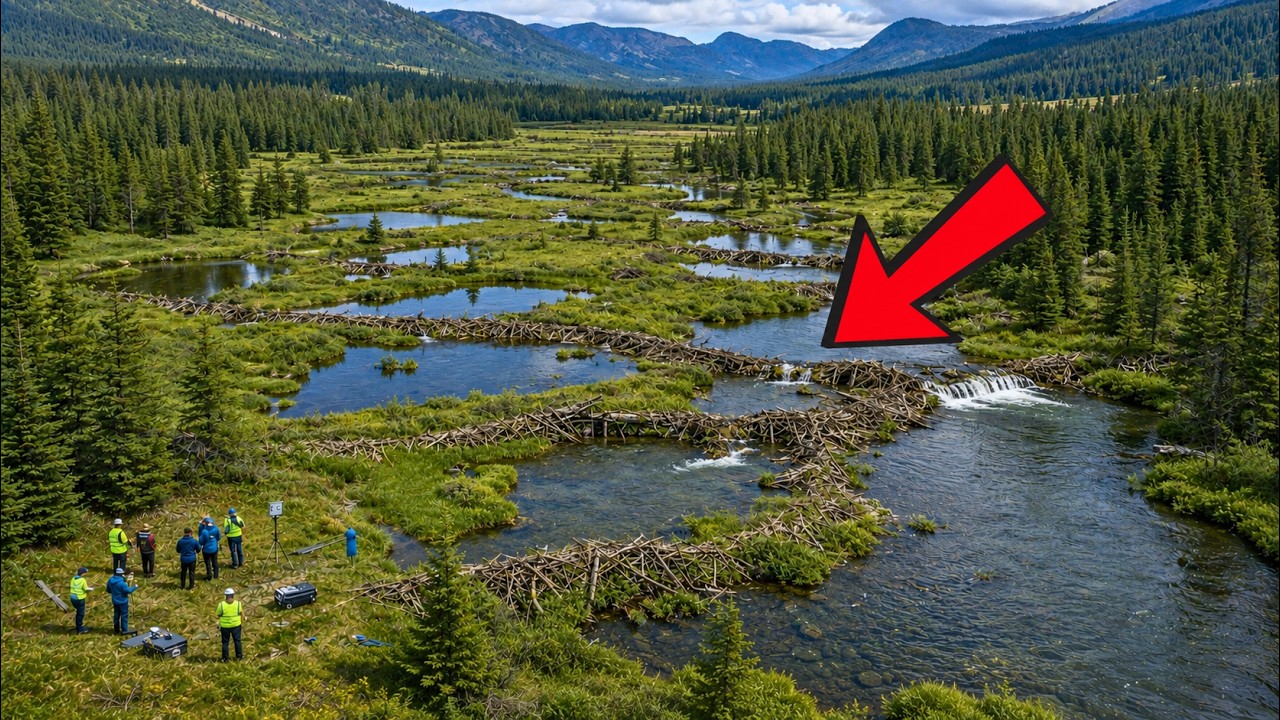
Oregon dropped five beavers into a dead, barren meadow, a last-ditch ecological experiment. Within weeks, the dry landscape began transforming as the animals started building with mud and willows.
In February 2025, five beavers were released into a headwater creek in southwest Oregon, part of a long-term restoration effort...
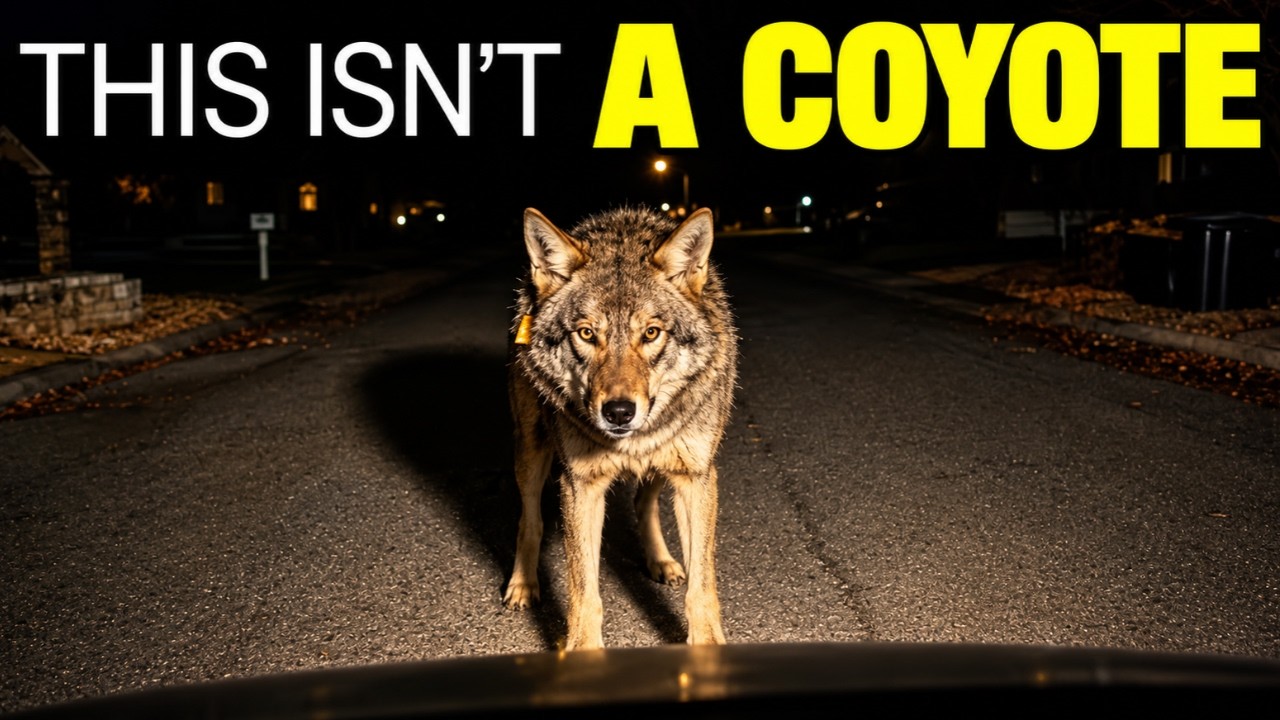
Pennsylvania’s coyotes just revealed a genetic secret—one ancient ancestor that should have vanished long ago is still quietly thriving in their blood. Researchers DNA-tested hundreds of coyotes across the state, expecting the usual mix of western coyote and wolf lineage.
In the spring of 1907, on a hill called Brush Mountain near Hollidaysburg in central Pennsylvania, a farmer named Jacob...

They mocked Nevada for dumping millions of bees into the barren desert. One month later, the silence turned to shock.
In early 2023, farmers in Nevada attracted national attention when they introduced millions of alkali bees onto plots of salted...