Canada airlifted 13,000 salmon into a dead river, and two years later, scientists were stunned by what they found. The fish were dumped into a body of water devoid of life, a last-ditch effort to restore a collapsing ecosystem that had left local communities devastated.
In 2016, a helicopter carried dozens of Atlantic salmon in water tanks over the upper Salmon River in New Brunswick. The fish had been raised at a marine conservation farm on Dark Harbour, Grand Manan Island, and were destined for release into the river system. The salmon were part of an effort to rebuild a population that had collapsed to just a few dozen individuals across the inner Bay of Fundy.
Atlantic salmon in the inner Bay of Fundy had been declining for decades. By the early 2000s, fewer than 200 adult fish remained across 33 rivers. The restoration project involved collecting young wild salmon, known as smolts, from rivers, sheltering them at a marine farm during their most vulnerable stage, and releasing them back into the wild as mature adults.

Tim Robinson came to Fort Folly First Nation in 1995 as a habitat restoration specialist. He remained there for decades, working on the recovery effort. In May 2015, his team began using a rotary smolt wheel on the Pollett River, a device that captures young fish as they migrate downstream. Technicians collected the smolts, logged and tagged them, and transported them in chilled water tanks across the Bay of Fundy to Grand Manan Island.
The transport was experimental. The Bay of Fundy is one of the most turbulent seas on the Atlantic coast, with tides reaching up to 17 meters. The team developed the procedures as they went. The smolts had spent two to three years in their home rivers and were familiar with the water of the Petitcodiac watershed. That distinction set this project apart from previous hatchery programs in the region.
Before 1968, the Petitcodiac River produced roughly 20 percent of all inner Bay of Fundy Atlantic salmon. Fishing records documented up to 5,000 adult fish per year in that river alone. For the Mi’kmaq people, the salmon had long been an important part of the river system. The name Petitcodiac derives from a Mi’kmaq word meaning “the river that bends like a bow.”
The cause of the salmon’s decline was a causeway built across the river in 1968 by the provincial government. It was constructed to shorten the driving route between two towns. The structure turned 21 kilometers of estuary into a shallow freshwater reservoir, blocking fish from migrating upstream to spawn. Smolts that drifted downriver entered stagnant water and died.
In 1989, salmon fishing was banned in all inner Bay of Fundy rivers. The population did not recover on its own. By 2003, the inner Bay of Fundy salmon subpopulation was listed as endangered under Canada’s Species at Risk Act.
Chief Joseph Knockwood of the Eel Ground community pushed for the causeway’s removal beginning in the 1990s. The gates were opened in 2010, and construction to replace the causeway with a bridge was completed in 2021, at a cost of $61.6 million.
The restoration project faced criticism. The Conservation Council of New Brunswick raised concerns about the project’s partner, Cooke Aquaculture, citing a $500,000 fine in 2011 for the illegal use of a chemical that killed lobsters, as well as escapes from net pens that released farmed fish into wild salmon populations. Scientists noted that hatchery programs had produced poor results on the Atlantic coast, with captive-raised fish returning from the sea at lower rates than wild fish and competing with them for resources.
Robinson acknowledged in 2016 that opening the causeway gates alone would not restore the population. The smolts being collected were wild fish, not hatchery-raised. They had spent years in their home rivers and were being sheltered at the marine farm during the most dangerous stage of their journey. Between 90 and 97 percent of young salmon die when entering the open ocean.
In August 2023, a seal broke through netting at a Cooke Aquaculture farm in the Bay of Fundy. More than 60 farmed salmon were recorded at a fishway on the Magaguadavic River. Farmed salmon can interbreed with wild fish, and hybrids survive at lower rates. Matt Abbott of the Conservation Council of New Brunswick said the escapes kept occurring without consequences for the company.
In October 2021, data from the University of New Brunswick researcher Kurt Samways showed that more than 100 adult salmon had returned to rivers in Fundy National Park, the highest count since 1989. More than 4,000 wild smolts had migrated from the rivers into the sea, a 20-year record. Samways said the population was not just surviving but reproducing on its own.
Adult salmon that return to rivers to spawn eventually die and leave behind marine nutrients in the freshwater system. Nitrogen, phosphorus, and organic matter enrich the water and provide food for the next generation of salmon. The returning fish also brought back animals that feed on them. In 2021 and 2022, researchers recorded kingfishers and mink in the rivers, species that had not been seen there in years.
In October 2024, Fort Folly released a record number of more than 1,300 mature salmon into the Petitcodiac River. Elder Donna Augustine and knowledge keeper Nicole Porter led the water blessing ceremony. The release was dedicated to the memory of Chief Joseph Knockwood, who had begun advocating for the causeway’s removal in the 1990s and did not live to see the project’s results.
That same year, Fundy Salmon Recovery was recognized as a UN World Restoration Flagship Initiative under the Decade on Ecosystem Restoration. The project also trained young members of the Eel Ground community as river technicians, providing employment and transferring knowledge about fish monitoring.
The Atlantic Canada Fish Farmers Association published a summary in early 2026 stating that 13,230 mature salmon had been released across the project’s history. More than 700 tagged fish had returned. Another 3,047 were growing at the Dark Harbour farm. Robinson said the approach was being considered for use on other rivers, including the Tantramar and the Memramcook, if funding became available. He noted that Fort Folly, a small First Nation, could not have managed the project’s scale on its own without its partnerships.
Recommended Stories
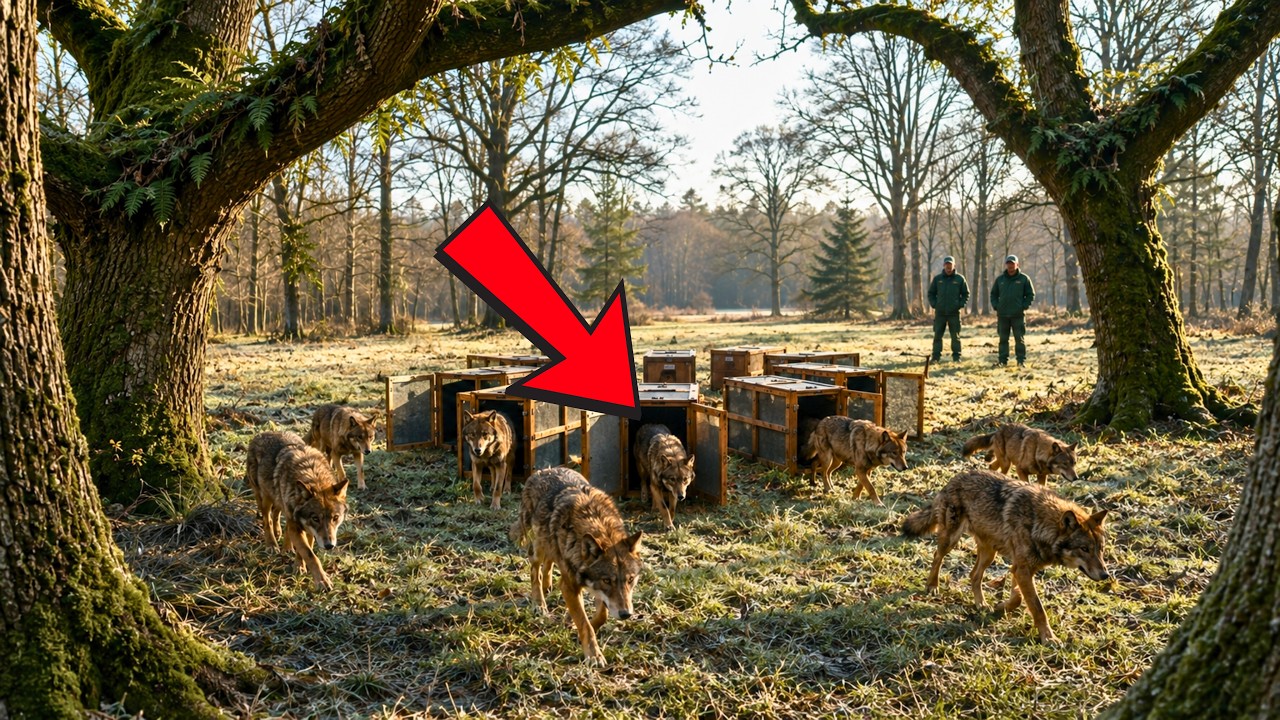
In 1987, eight red wolves were released into North Carolina forests, the first attempt to return an extinct-in-the-wild predator to its habitat. The species had been reduced to just 14 captive breeders, saved after government bounty hunting wiped out nearly all wild populations.
In 1987, the U.S. Fish and Wildlife Service carried out an unprecedented action: it released eight red wolves into the...
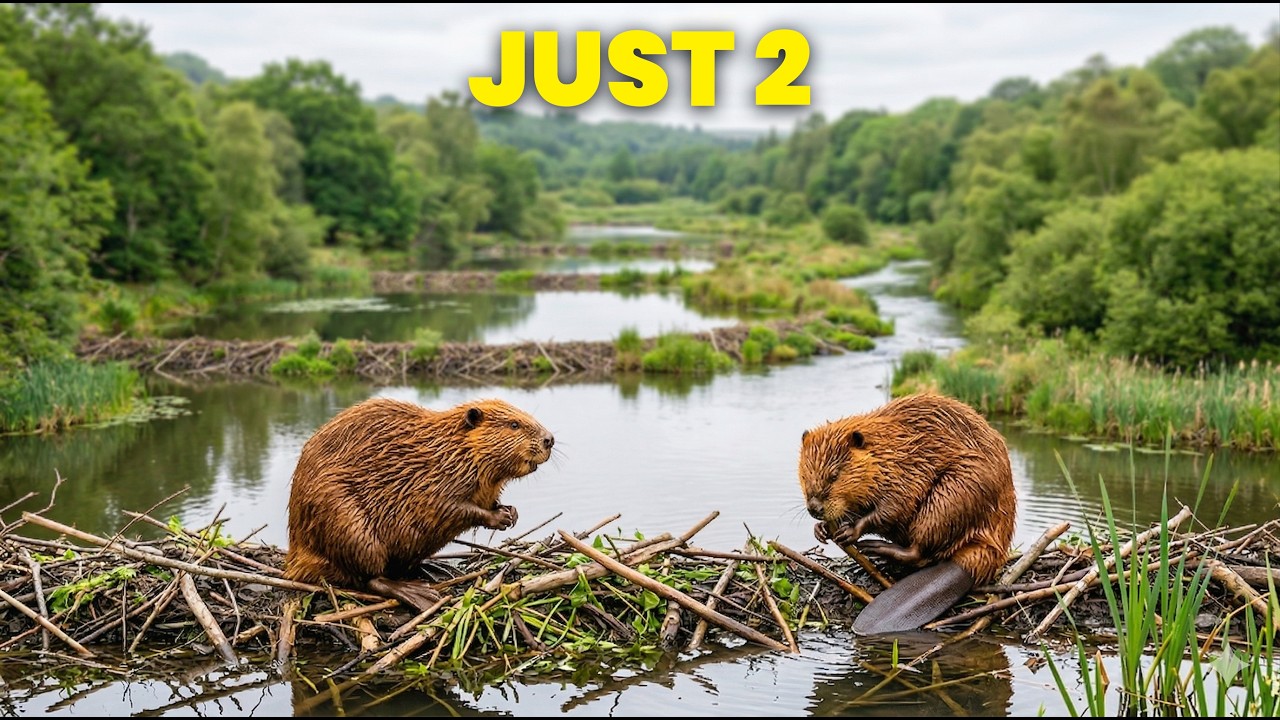
A single 40-pound rodent reverse-engineered Britain’s failing flood defenses, beating millions in concrete. After 400 years of extinction, beavers quietly reappeared in Devon, while officials planned to trap and kil*** them over biosecurity fears.
In the winter of 2015, flooding caused an estimated 1.6 billion pounds in damage across England. The government's response focused...
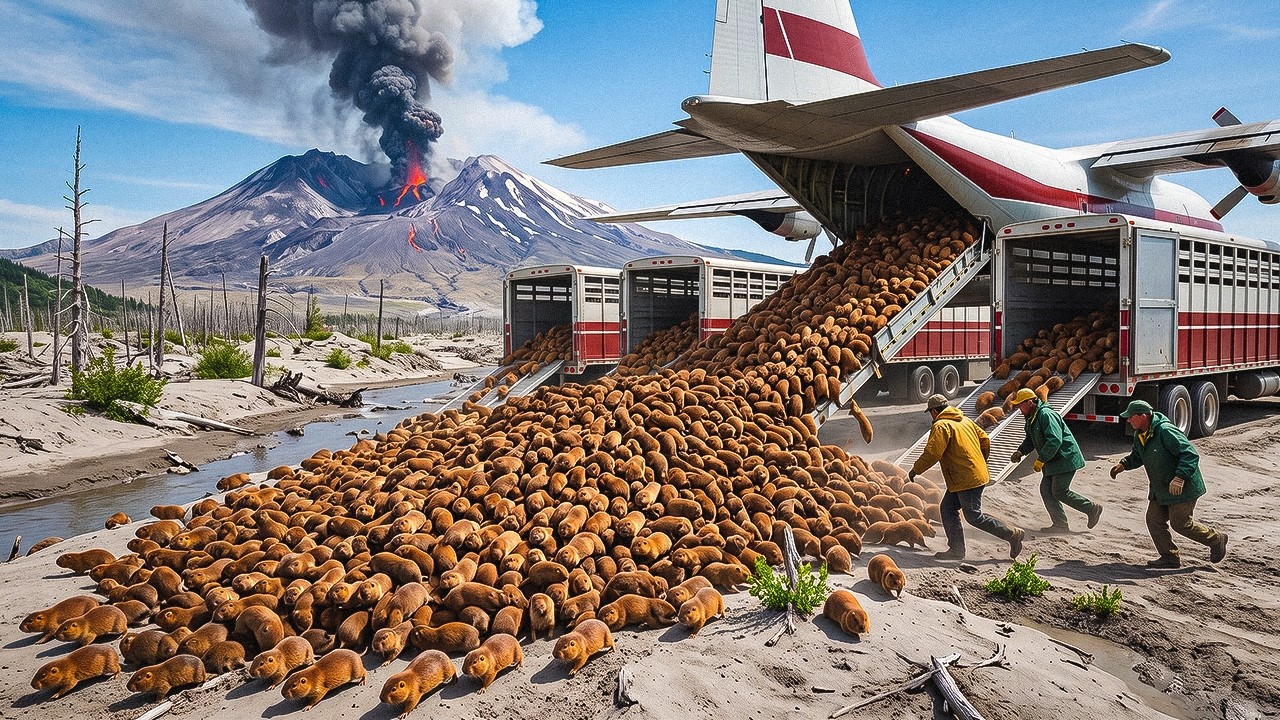
When Mount St. Helens erupted in 1980, the blast leveled forests and buried the landscape under thick volcanic ash, making survival seem impossible.
Two years after Mount St. Helens erupted in 1980, the pumice plain north of the crater was considered the most...