For centuries, humans believed whales communicated through simple, instinctive calls—but when scientists applied AI to decode their language, a far more unsettling pattern emerged. The algorithms revealed complex, structured conversations that appear to include individual names, regional dialects, and even what researchers suspect is emotional expression.
Researchers have conducted a 20-minute conversation with a humpback whale, a development that has drawn renewed attention to the possibility of complex communication among marine mammals. For decades, scientists have recorded the sounds made by whales, often interpreting them as navigation aids or mating calls. More recently, advanced artificial intelligence systems trained on large audio datasets have identified structure in these sounds that was previously overlooked.
The research has focused primarily on sperm whales, whose communication consists of rapid click sequences known as codas. A long-standing assumption held that sperm whales used roughly 21 distinct coda patterns, each carrying a simple, fixed meaning. That view has now been reconsidered following a multi-year research effort involving institutions such as MIT, Harvard, and the University of California, Berkeley.

The project, launched in 2020, established a permanent research station in Dominica, where multi-generational sperm whale families have been observed for decades. Researchers deployed underwater microphone arrays, GPS trackers, depth sensors, and accelerometers to record not only the sounds whales made, but also the behavior and environmental context surrounding each vocalization. The goal was to build a comprehensive dataset that could link sounds to observable actions.
After analyzing approximately 9,000 recordings, the AI system identified 156 distinct codas rather than the previously assumed 21. More significantly, the system detected internal structure within these codas, including variations in rhythm, changes in tempo, and decorative clicks embedded in repeating patterns. Researchers described these elements as functioning similarly to phonemes in human language, where smaller units combine according to rules to generate meaning.
A separate analysis at the University of California, Berkeley examined individual clicks at high acoustic resolution. The researcher found that sperm whales produce vowel-like sounds, including sounds resembling certain human vowels and diphthongs. The finding suggested that these acoustic features, previously considered unique to human speech, may have evolved independently in a species with no recent common ancestor with humans.
The practical use of these sounds has also been documented. Researchers observed that the same whale produces different codas depending on the listener, the preceding exchange, and the surrounding environment. Conversations lasting up to an hour have been recorded, with multiple whales taking turns, overlapping occasionally, and adjusting their output in real time. One researcher noted that behavioral observations from the surface resemble family members socializing, with exchanges that follow conversational timing and role-taking patterns.
Sperm whales have the largest brains of any animal on Earth, live in matrilineal family groups with multi-generational social structures, and coordinate hunting strategies in deep water. Researchers believe these factors may be connected to the complexity now visible in their communication system.
While the structural features of whale communication have been mapped, the meaning of specific sequences remains unknown. Connecting sound patterns to meaning requires linking vocalizations to observable events, a process the research team is now working through. Newer recording devices capture synchronized audio from multiple microphones along with depth, position, and body orientation data, feeding a growing behavioral archive.
If sperm whale communication proves to be a structured language, the implications could extend beyond biology. Some experts in law and policy have begun discussing whether whales might warrant new legal protections based on evidence of complex social communication. Commercial shipping noise and military sonar continue to generate underwater noise that may interfere with whale communication over large areas.
The research project has made its data publicly available, and scientists emphasize that public understanding of whale social complexity could influence conservation efforts. Historical precedent exists: in the 1960s, researchers demonstrated that humpback whales produce complex, evolving songs, a finding that contributed to a shift in public perception and later to marine mammal protection laws.
The current research remains in early stages. The structural elements of sperm whale communication have been identified, but translation of specific messages has not occurred. The gap between recognizing structure and understanding meaning is the central focus of ongoing work. The sounds themselves are not new; whales have produced them for millions of years. What has changed is the ability to analyze them at scale.
Recommended Stories
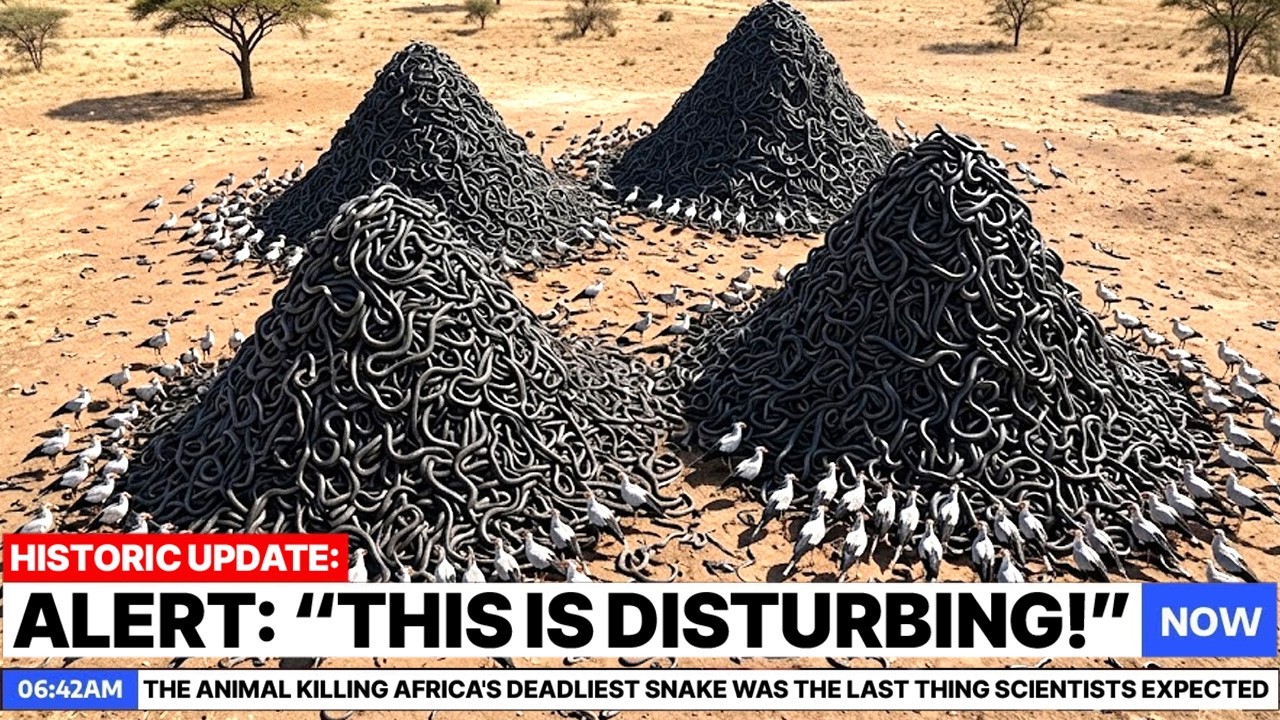
The black mamba strikes in 50 milliseconds—seven times faster than any human reflex—yet something on the Serengeti is killing these deadly snakes in open daylight, faster than they can reproduce. For years, researchers hunted for the predator in the wrong direction, assuming it fought from the sky.
The black mamba is one of the fastest and most aggressive venomous snakes in Africa, capable of striking in about...
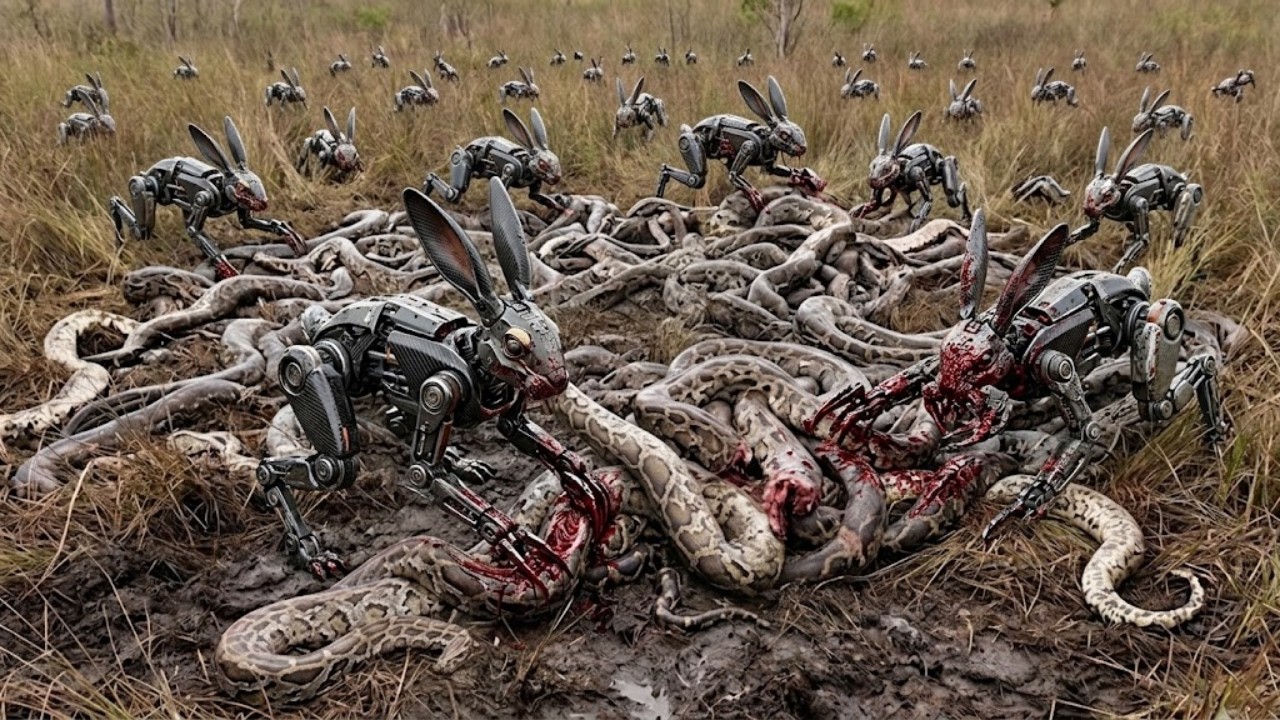
Florida released robot rabbits designed to attract pythons—but on day three, a 12-foot alligator destroyed one cage and swam off with the thermal pad. Within two weeks, gators at multiple sites recognized the decoys as an easy food source, smashing nearly all 120 units and scaring snakes away entirely.
Florida governor Ron DeSantis has reported that the number of pythons killed in July of this year tripled compared to...
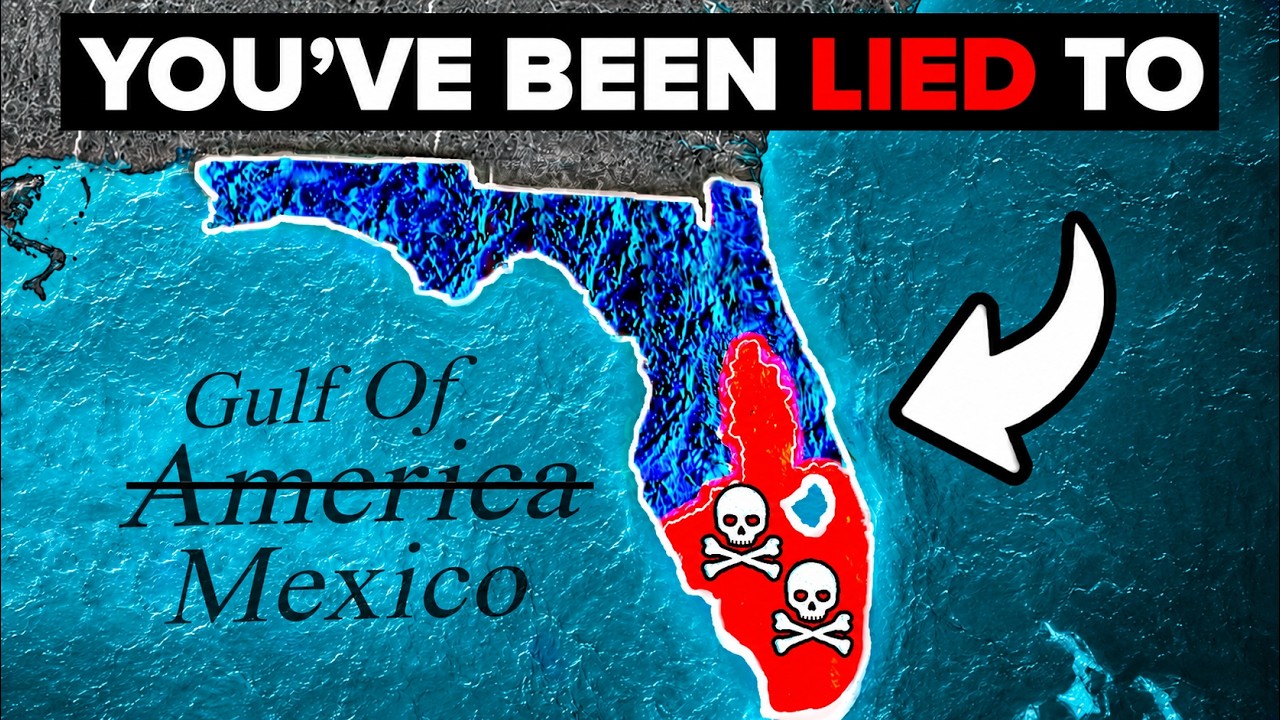
A mysterious force is devastating Florida’s Everglades, and the culprit has wildlife experts bracing for an ecological disaster. Pythons, invasive predators that can grow over twenty feet long, are strangling the natural food chain, and state officials have declared an all-out war.
The Everglades, a vast wetland at the southern tip of Florida, is often described as a swamp, but it is...