Scientists sent a robot 31,000 feet to the ocean floor, and what it captured left even researchers stunned. The probe descended into total darkness, where pressure could crush a submarine, expecting only barren rock.
A Chinese submersible completed a final mission in the Mariana Trench in the Pacific Ocean, descending roughly 31,000 feet to investigate one of the most extreme environments on Earth. The area, known as the hadal zone, is named after Hades, the Greek god of the underworld, and consists of deep trenches formed where tectonic plates collide and one section of crust is pulled beneath another.
Conditions at that depth are severe. Water pressure exceeds a thousand times the level at the surface, temperatures hover just above freezing, and no sunlight penetrates the darkness. For years, scientists assumed these trenches could support only minimal life, sustained by marine snow, the slow drift of dead organic material from the upper ocean that serves as food for deep-sea organisms.
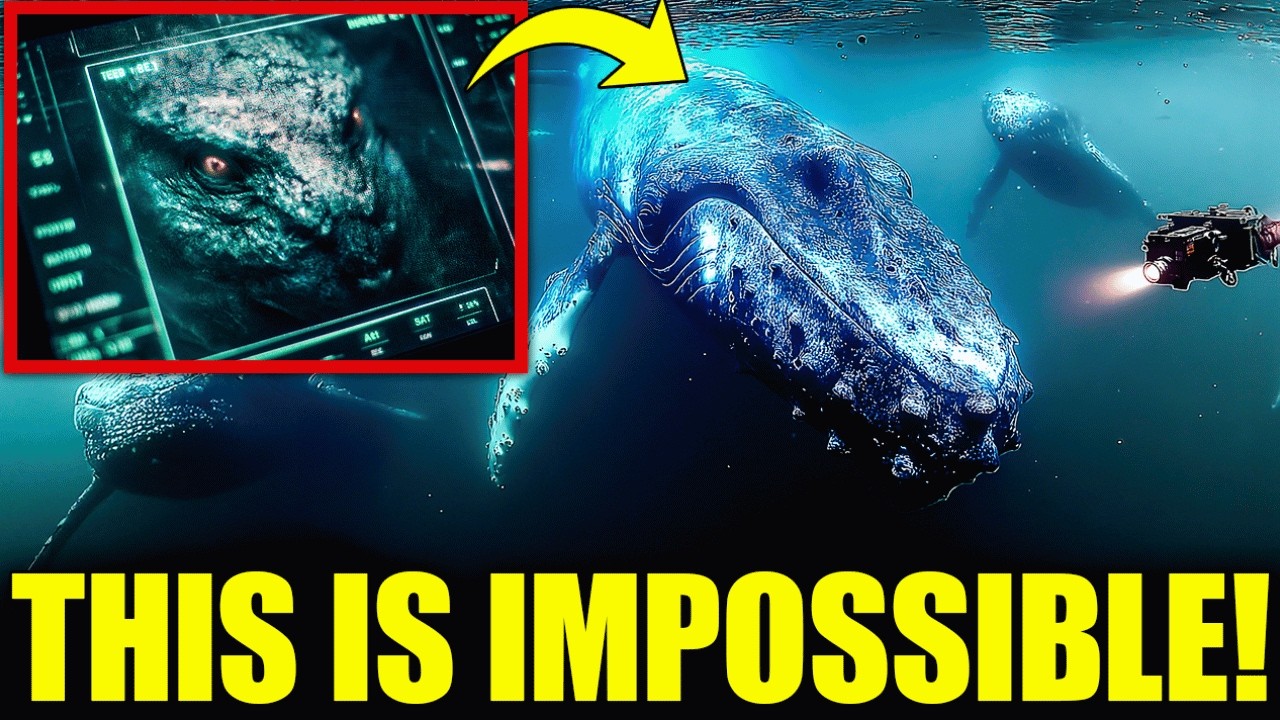
The camera footage from the submersible did not match that expectation. Instead of a sparse environment, the robot documented dense communities of tube worms, clams buried in sediment, shrimp, and microbial mats spread across the seafloor. These were not isolated survivors but a functioning ecosystem, with a food chain that does not rely on sunlight.
The base of this ecosystem is chemosynthesis. Microbes in the trench convert chemicals seeping from the seafloor, primarily methane and hydrogen sulfide, into organic matter. Tube worms and clams live with symbiotic bacteria that process these chemicals, and other animals feed around them. The result is a complete biological community driven by energy from the Earth’s interior rather than the sun.
The discovery suggests that deep-ocean trenches may support more life than previously estimated. It also attracted the attention of astrobiologists, because it demonstrates that ecosystems can thrive in darkness under crushing pressure, using only chemical energy. This has implications for the search for life beyond Earth, particularly on icy moons such as Jupiter’s Europa and Saturn’s Enceladus, which are believed to harbor subsurface oceans.
The footage also highlighted how little of the deep ocean has been explored. Sonar can map the seafloor, but it does not reveal what lives there, and much of the deep ocean has never been visually documented. Each new dive has the potential to contradict existing models of deep-sea biology, as organisms in these environments often exhibit adaptations that do not match laboratory predictions.
The timing of these discoveries is notable because human activity has already reached the trenches. Microplastics have been found in the deepest parts of the ocean, carried from surface pollution into environments few people will ever see. Deep-sea mining also presents a concern, as companies and governments have shown interest in mineral deposits on the seafloor, which also serve as habitats for marine life. Disturbing these areas could permanently remove organisms that science has not yet fully documented.
The footage from the submersible provided a clear example of a functioning ecosystem in a place long assumed to be nearly empty. It showed that life can build communities from chemical energy, that darkness does not preclude biological complexity, and that the deep ocean is not a barren wasteland. It also posed a practical question: whether these newly documented ecosystems can be studied and understood before they are affected by extraction or pollution.
Recommended Stories
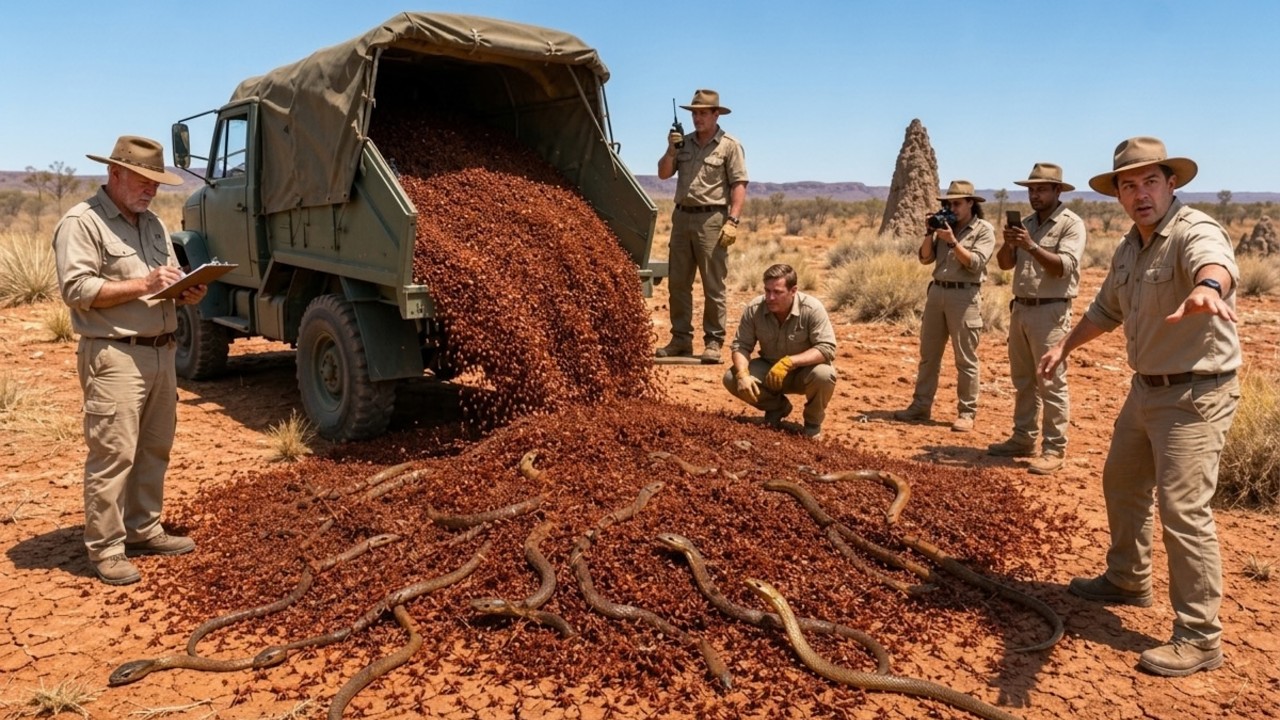
Australia dropped three million fire ants to wipe out the world’s deadliest snake—its most ambitious biological assault yet. The plan hinged on tiny predators swarming venomous nests before hatchlings could emerge.
In 2001, inspectors at the port of Brisbane discovered a nest of red imported fire ants, an invasive species native...
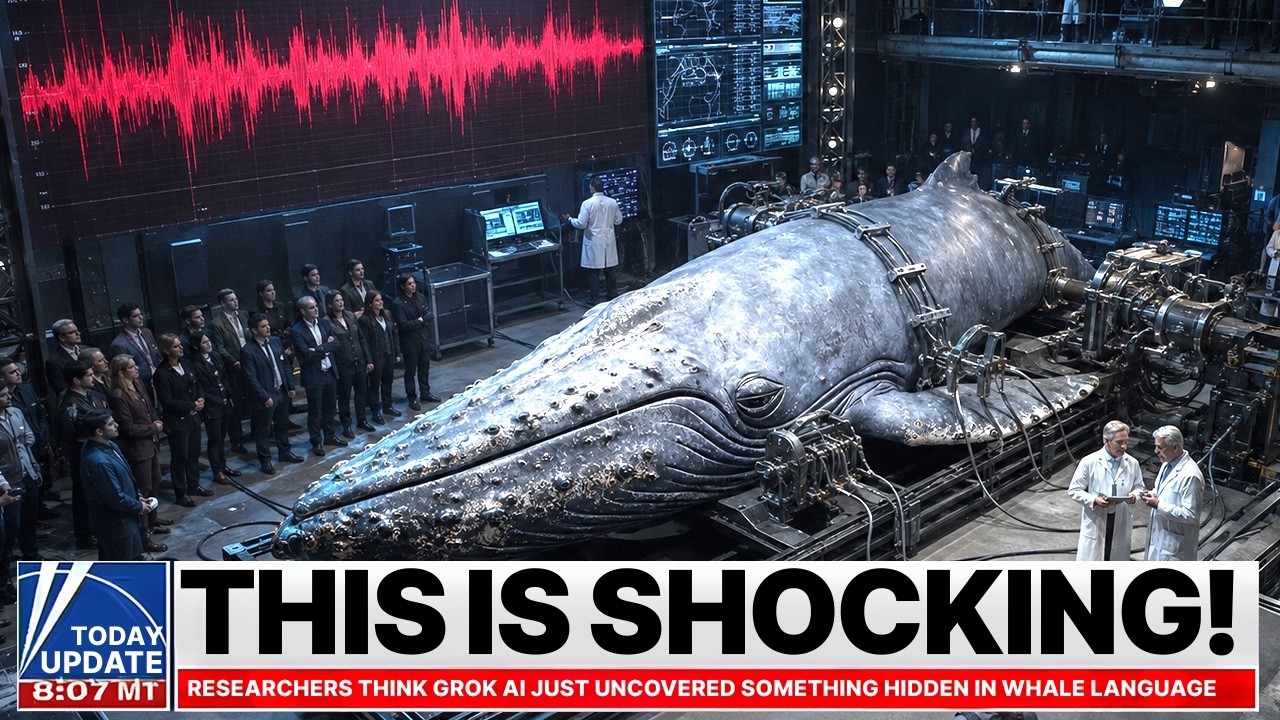
Researchers think Grok AI just uncovered something hidden in whale language, and they’re stunned by what the pattern might mean. Feeding thousands of hours of recorded whale calls into the model, the team noticed a structure far more complex than simple songs, hinting at a possible grammar-like system.
In 2023, researchers off the coast of Alaska conducted an experiment in marine biology. They anchored a small research vessel...

Wildlife and agricultural agencies in North Texas report a rising number of complaints about feral hogs, and officials say the situation is likely to worsen before improving. Residents in Montgomery
Wildlife and agricultural agencies in North Texas report a rising number of complaints about feral hogs, and officials say the...